October 25, 2026
Explore the numerous advantages of choosing an auto salvage yard for your vehicle parts and recycling needs. From cost savings to environmental benefits, auto salvage yards provide a resourceful alternative to traditional automotive retail outlets. These yards have become increasingly popular as consumers look for sustainable and affordable options. The idea of reusing and recycling car parts not only benefits individual car owners but also has wider environmental and economic implications. Dive into the manifold benefits these establishments offer, and you'll find compelling reasons to consider them as your next stop for automotive needs.
1. Environmental Benefits
Reduction in Waste
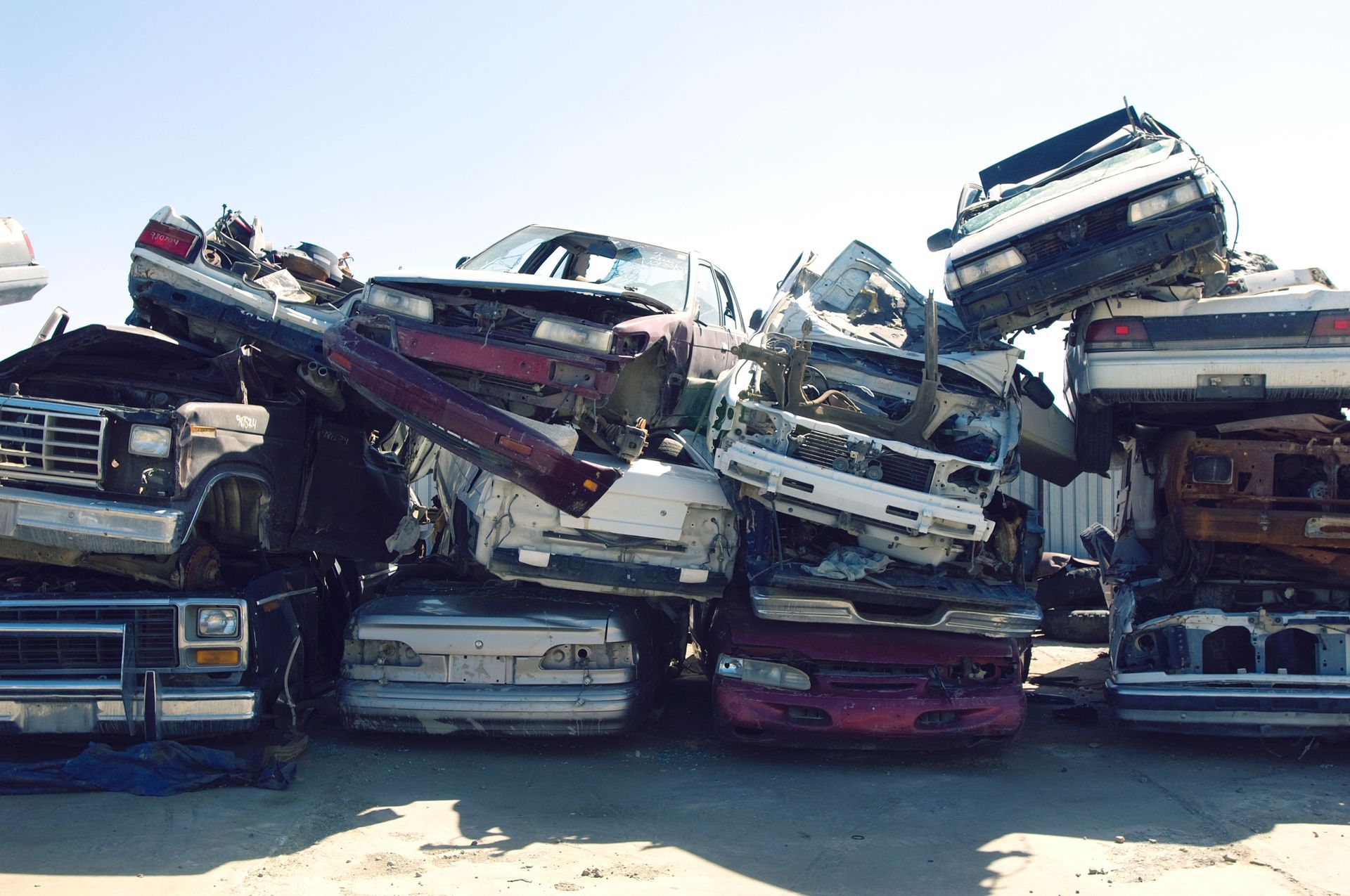
Auto salvage yards play a crucial role in reducing automotive waste by repurposing parts that would otherwise end up in landfills. This recycling is essential in an era when environmental consciousness is on the rise. By providing a second life to car components, salvage yards minimize unnecessary waste and lower environmental impact. According to Zipdo, auto salvaging saves 1.8 million barrels of oil annually in the U.S., further underscoring the ecological advantages. This resourcefulness exemplifies responsible consumption and builds toward a more sustainable future.
Resource Conservation
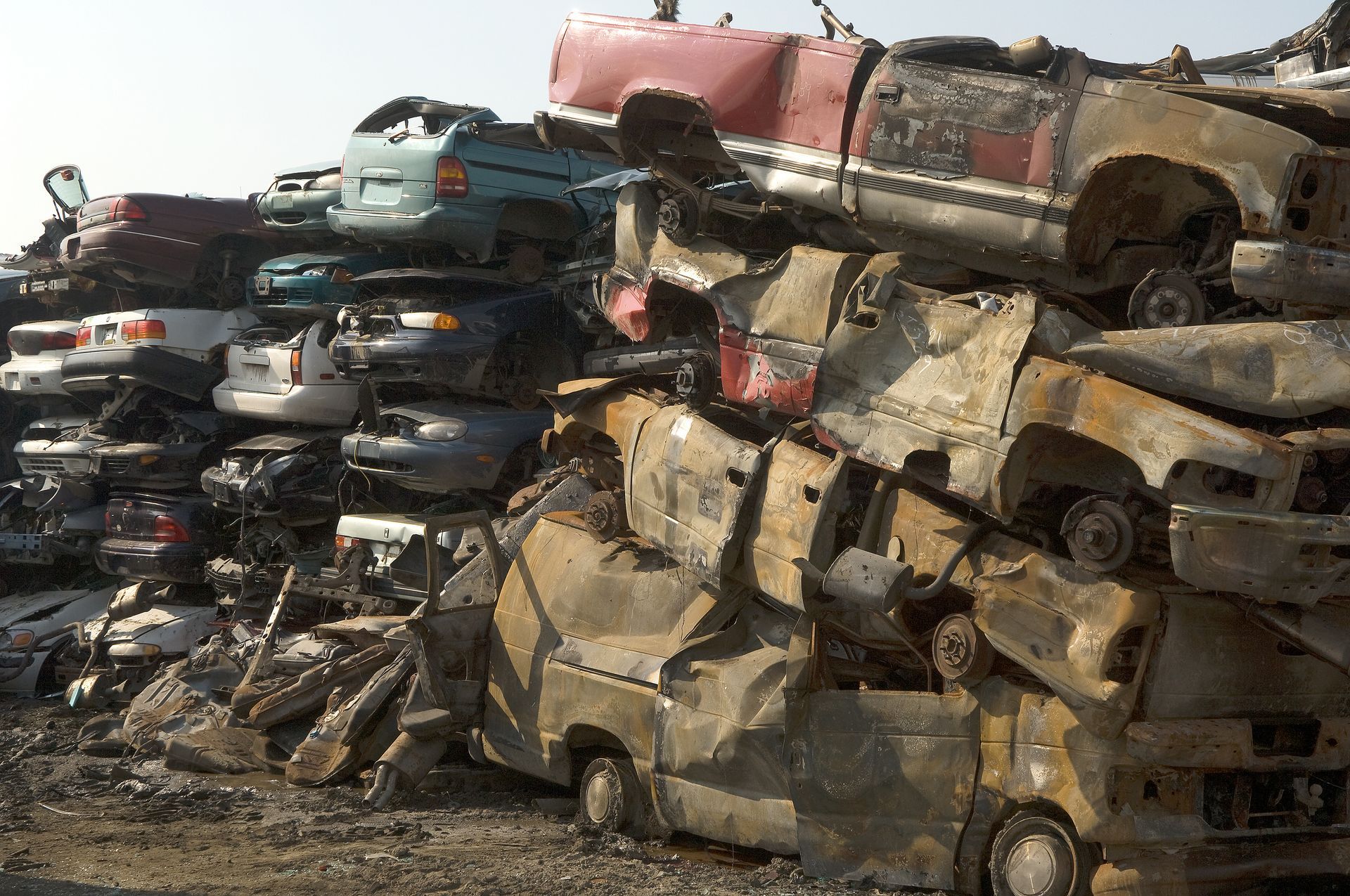
By reusing vehicle parts, salvage yards help conserve natural resources and reduce the demand for new material extraction. Each reused part eliminates the need to manufacture a new one, conserving raw materials like metals and plastics. This preservation is increasingly important as resource scarcity becomes a global concern. Additionally, repurposing car parts ensures that fewer new parts need to be produced, thus decreasing the energy and resources required for their creation. Salvage yards make essential contributions to sustainable resource management in the automotive industry.
Pollution Prevention
Proper recycling of parts like batteries and fluids by salvage yards prevents hazardous pollutants from contaminating the environment. Salvage yards often have standards in place for safely disposing of these elements. This disposal is imperative to protect soil and water sources from dangerous substances such as acid or heavy metals. Through pollution prevention practices, salvage yards safeguard ecological integrity. These efforts align with broader environmental policies aimed at minimizing industrial pollution and encouraging green business practices.
Energy Efficiency
The energy required to refurbish used parts is significantly less than manufacturing new ones, contributing to energy savings. Refurbishment demands fewer resources, thus reducing the carbon footprint connected with automotive parts production. Salvage yards, therefore, play a pivotal role in global energy conservation initiatives. This energy efficiency makes auto salvage an essential component in reducing the energy demands of the automotive sector.
2. Availability and Variety
Extensive Inventory
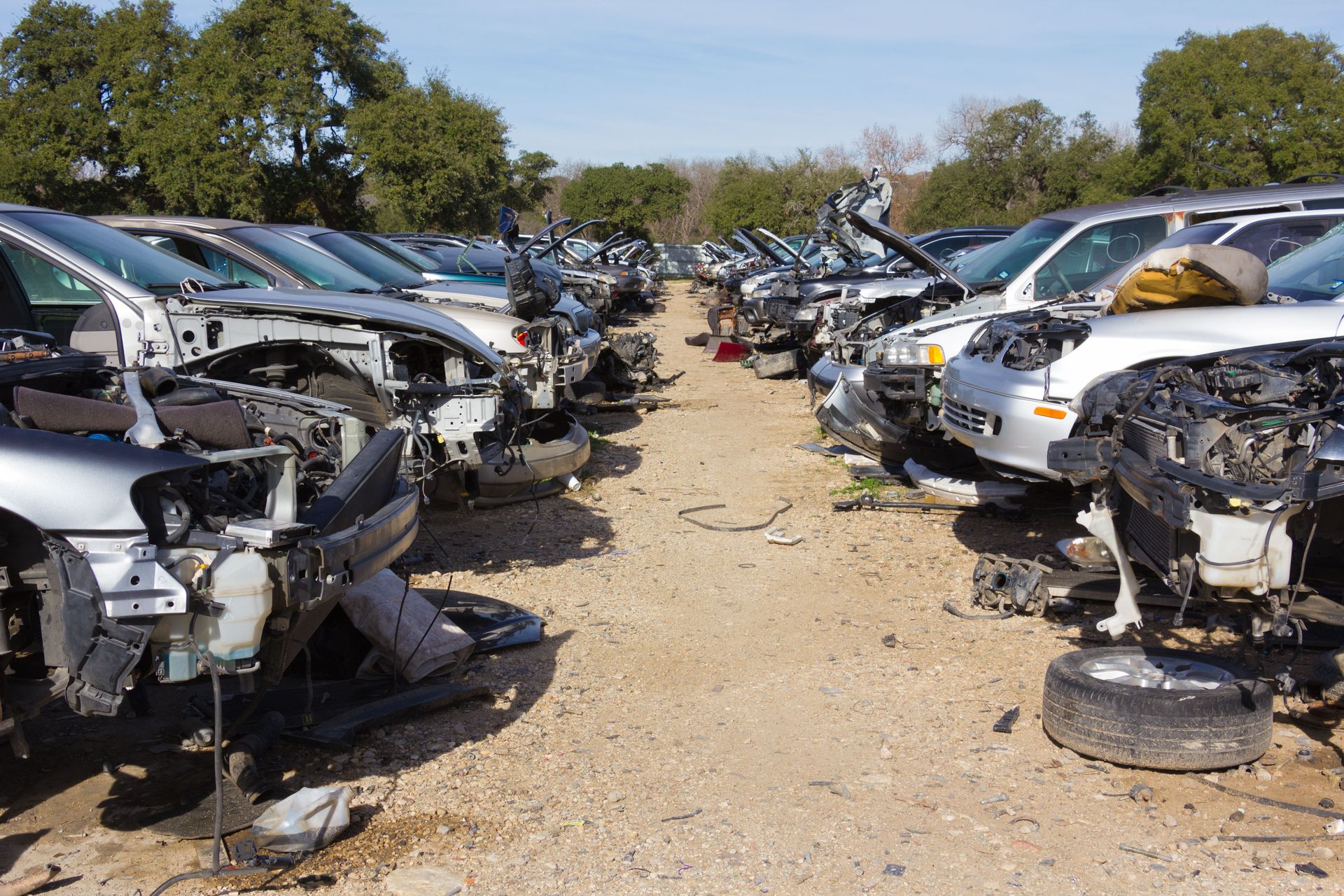
Auto salvage yards often have a vast array of parts for various makes and models, increasing your chances of finding exactly what you need. This extensive inventory is a crucial advantage as it reduces time and effort spent locating specific parts. From older models to more recent ones, these establishments house a wide range to cater to diverse consumer demands. Access to such a comprehensive selection simplifies the search process, offering unbeatable convenience for both private and commercial buyers. The diversity found in salvage yards offsets the limited options often available at conventional auto retailers.
Rare and Obsolete Parts
These yards are excellent sources for tracking down hard-to-find or discontinued vehicle parts no longer available in stores. As manufacturers cease production of certain components, salvage yards become invaluable assets for maintaining older or unique vehicles. Locating obsolete parts is a challenging endeavor without access to specialized inventory. Finding such parts can extend the life of beloved or classic vehicles that might otherwise become unserviceable. This access is particularly useful for car enthusiasts and collectors who wish to keep their vehicles in original condition.
Variety of Vehicle Parts
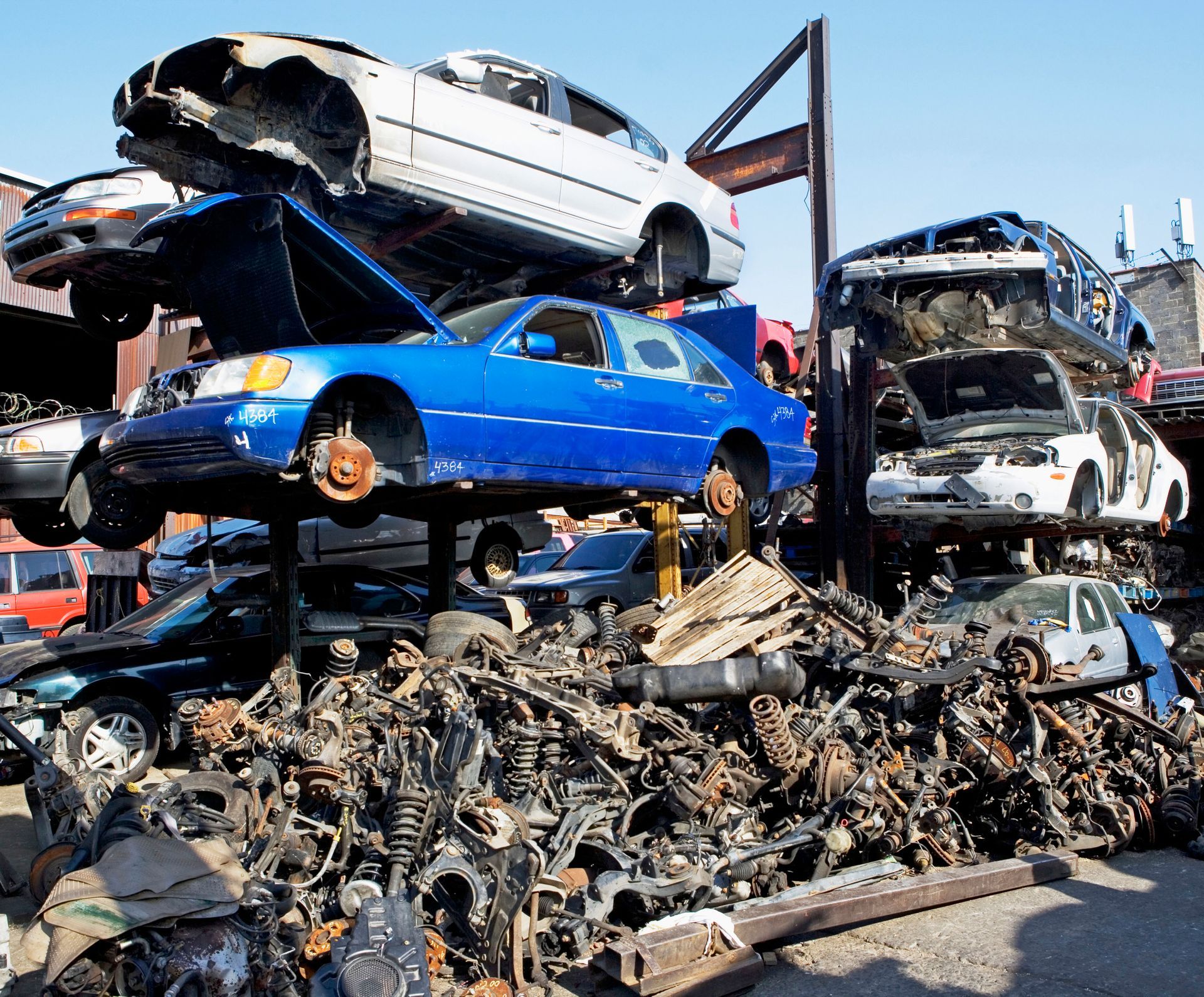
Salvage yards carry a wide variety of parts, from major components like engines to minor accessories, catering to diverse needs. Whether you require something significant or a small detail, odds are you'll find it in a salvage yard. This variety is crucial for those undertaking significant repairs or comprehensive restorations. These yards reduce the necessity to visit multiple locations, saving time and simplifying repair projects. The all-encompassing inventory of a salvage yard allows for diverse repair and upgrade possibilities.
One-Stop Shop
The comprehensive selection of parts available makes auto salvage yards a convenient one-stop shop for multiple part requirements. This convenience cannot be overstated, as it significantly eases the process of vehicle repair and restoration. A centralized location allows consumers to find everything they need without excessive travel. In doing so, it reduces both frustration and logistical difficulties often associated with car repairs. This all-inclusive nature streamlines the automotive repair process and enhances overall consumer satisfaction.
3. Opportunities for Do-It-Yourself Repairs
Hands-On Learning
An auto salvage yard can provide a valuable opportunity for vehicle owners to learn about car repairs through hands-on experience. This practical learning environment is beneficial for those eager to understand the intricacies of their vehicles. For budding mechanics or hobbyists, salvage yards offer a low-risk platform to refine skills. By experimenting with different components, consumers can demystify mechanical processes. This hands-on practice is essential for developing confidence in do-it-yourself vehicle maintenance.
Troubleshooting Expertise
Regular visits can build troubleshooting skills and mechanical knowledge, useful for future self-repairs. Familiarity with car parts and systems can enhance one's ability to diagnose problems independently. This experience can decrease reliance on professional mechanics for minor repairs, fostering self-sufficiency. Gaining troubleshooting expertise not only saves money but also empowers car owners. Salvage yards thus become educational resources that equip consumers with practical automotive skills.
Tool Utilization
Many yards allow the use of personal tools on-site, enabling DIY enthusiasts to handle repairs directly. Access to a workspace amid a plethora of parts allows for creative and efficient problem-solving. This setting encourages experimentation and application of technical knowledge in a real-world context. For those equipped with basic mechanical skills, utilizing personal tools at salvage yards is an invaluable option. Salvage yards act as collaborative spaces for practical learning and innovation.
4. Local Economy Support
Job Creation
Auto salvage yards contribute to local economies by creating jobs in the automotive recycling and retail sectors. These enterprises employ a range of positions, from skilled technicians to sales and administrative staff. Job creation supports community stability, providing livelihoods and sustaining local economic activity. Employment opportunities foster skill development in specialized trades and customer service. By supporting salvage yards, consumers play a role in bolstering local job markets and economies.
Small Business Support
Many salvage yards are locally owned small businesses, and customer patronage helps sustain operations. These enterprises are the backbone of many communities, offering personalized customer service and enhancing local flavor. Supporting small businesses involves a reinvestment in the community, contributing to economic resilience. The survivability and growth of these businesses enrich community infrastructure and cohesion. Patronizing local salvage yards ensures the continuity and vibrancy of homegrown enterprises.
Community Engagement
These yards often engage in local community activities and support initiatives, fostering strong community ties. Through events, sponsorships, or partnerships, salvage yards contribute positively to local initiatives. Such engagement not only enhances public relations but also fortifies communal identities and moral support networks. Salvage yards cultivate goodwill and foster community spirit through active participation in civic ventures. This involvement highlights the integrative role that local businesses can play in promoting unity and collective wellbeing.
Patronizing an
auto salvage yard presents numerous benefits, from cost savings to environmental support and more. Whether you're a DIY enthusiast or a budget-conscious consumer, salvage yards provide a versatile and sustainable option for vehicle maintenance and repair needs. Their unique value proposition lies in their ability to provide affordability, variety, and ecological balance. By embracing salvaged parts, car owners contribute to a broader culture of sustainability and resourcefulness. Salvage yards continue to evolve, sharpening their focus on enhancing both individual and community welfare through smart and sustainable automotive practices. If you're located in the Duluth, MN area, visit Chesney Auto Salvage today!