October 21, 2026
Vehicles contain many materials that can be reused, recycled, or processed after they are no longer safe or practical to drive. When damaged or aging vehicles are discarded without proper handling, valuable materials may go to waste, and harmful substances can affect the surrounding environment. Auto recycling helps reduce these problems by recovering usable parts and processing materials for future use. This article explains how auto salvage services help reduce automotive waste, conserve natural resources, limit environmental risks, and support more responsible vehicle disposal.
Reducing Waste From Old Vehicles
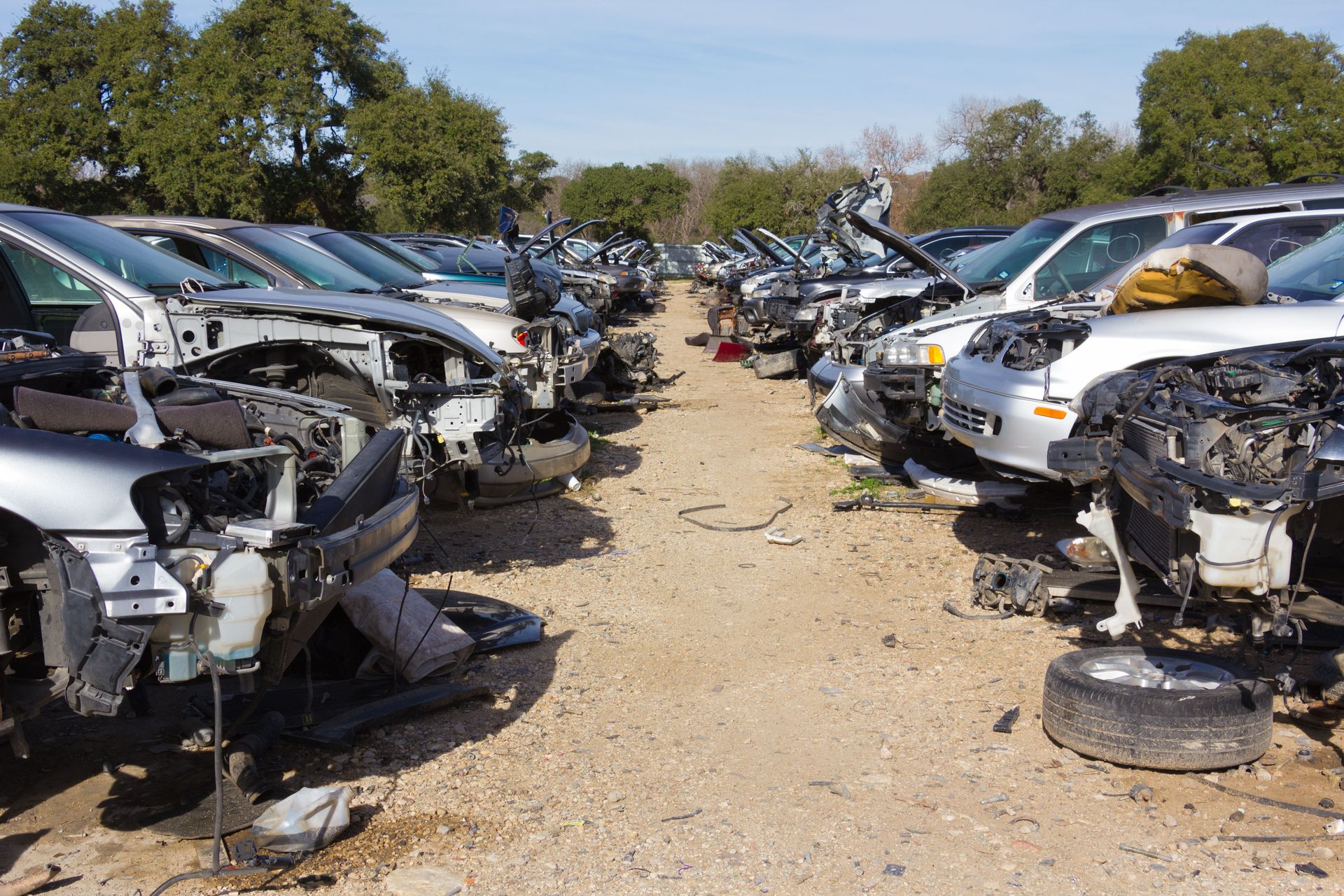
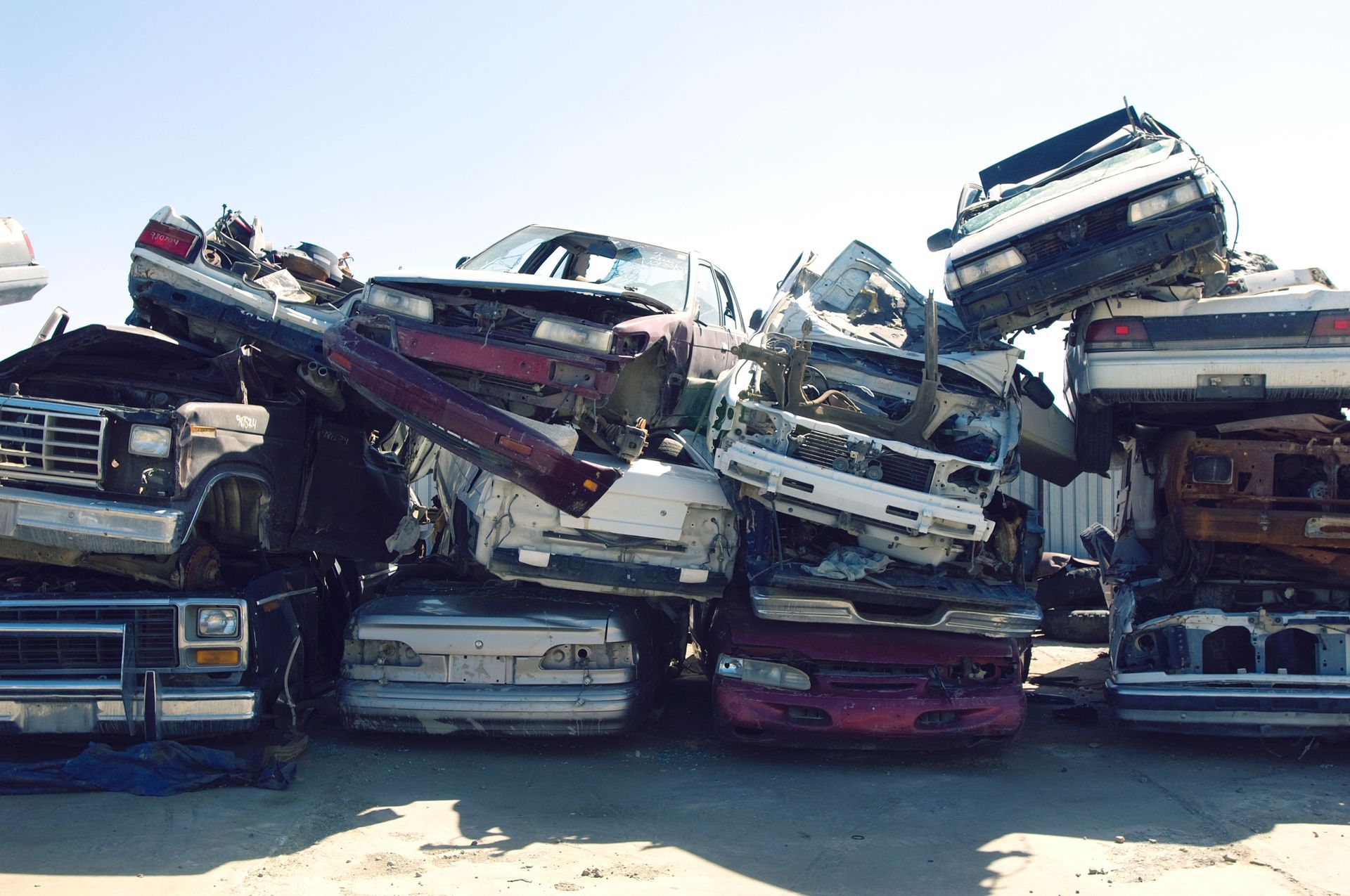
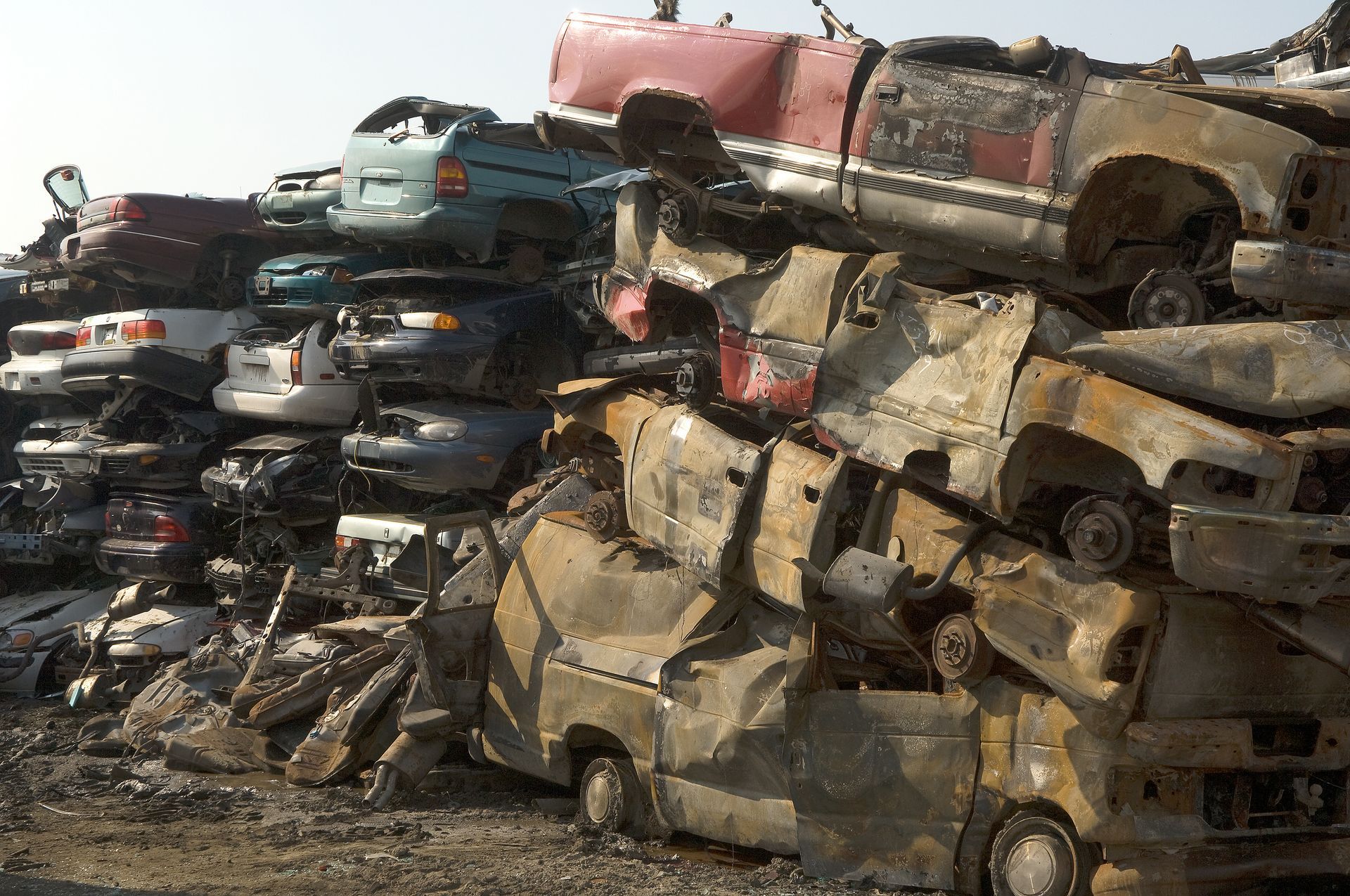
Vehicles eventually reach a point when repairs are no longer practical or their condition makes them unsuitable for continued use. These vehicles can take up space in storage areas, scrapyards, and other locations if they are not handled properly. Disposing of them without separating reusable materials can also send large amounts of metal, plastic, rubber, and glass to landfills. Automotive waste can build up over time, making responsible disposal an important part of managing old vehicles.
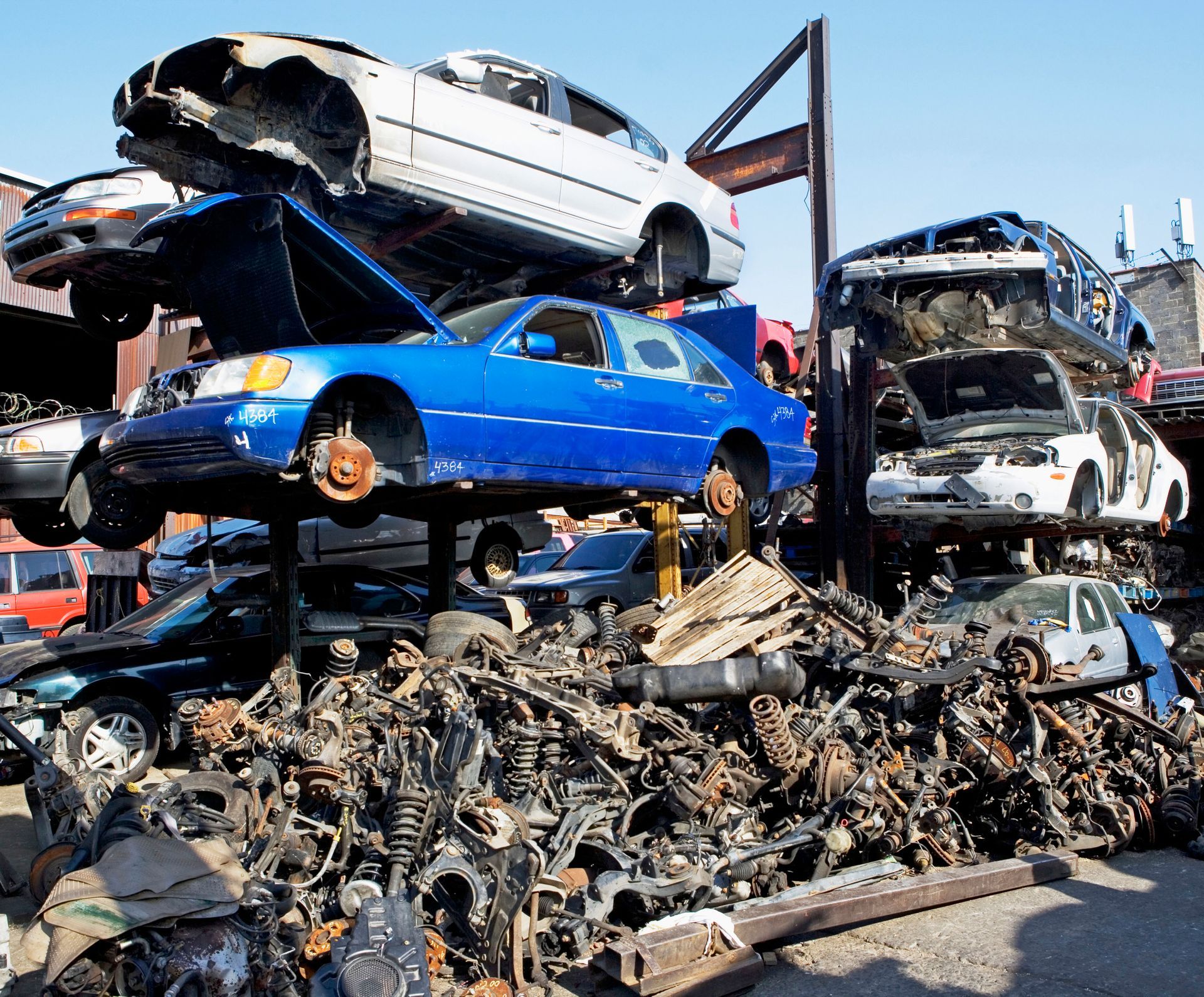
Auto salvage services help reduce this waste by recovering materials that still have value. Rather than treating an entire vehicle as unwanted debris, the salvage process involves identifying components and materials that can be reused or recycled. Metal parts may be processed for manufacturing, while other materials can be directed to appropriate recycling channels. This approach helps limit the amount of vehicle waste that requires disposal.
Recovering materials also allows vehicles to remain useful after they are no longer driven. A damaged car may still contain materials that can serve a purpose elsewhere. Separating those materials helps reduce unnecessary waste and gives them another opportunity to be used. Responsible vehicle disposal can benefit communities by limiting abandoned vehicles and supporting more organized waste management practices.
Recovering Materials for Reuse
Many vehicles contain materials that can be recovered instead of discarded. Steel and aluminum are common examples because they can be processed and used in manufacturing. Glass, certain plastics, rubber, and other materials may also be recyclable, depending on their condition and the facilities available to process them. Recovering these resources reduces the need to treat every end-of-life vehicle as a single piece of waste.
According to Global Growth Insights, the value of the global vehicle recycling market reached around $201 billion in 2024. This figure highlights the economic value associated with recovering materials from vehicles. Recycling can create opportunities to return useful resources to manufacturing and other industries. It also demonstrates how vehicle recovery plays a role in a larger system focused on making better use of existing materials.
The value of recovered materials depends on their condition and ability to be processed. Proper sorting directs materials to suitable recycling operations, making them more useful for future production instead of general disposal. Recycling can reduce the need for newly extracted resources. Although processing still requires energy, recovering existing materials can help limit the environmental impact of manufacturing and disposal.
Extending the Use of Vehicle Parts
Not every vehicle component becomes unusable when a car is damaged or reaches the end of its life. Some parts may remain in suitable condition even when the rest of the vehicle is no longer practical to repair. Recovering usable components can help reduce waste by allowing certain parts to serve a purpose beyond the original vehicle.
Reusing suitable parts can also reduce demand for newly manufactured replacements. Producing new components requires raw materials, energy, transportation, and manufacturing processes. When an existing part can be safely reused, some of these resource demands may be reduced. The environmental benefit depends on the type of component, its condition, and how it is prepared for further use.
Auto salvage services help identify usable components and can direct damaged or worn auto parts to suitable recycling or disposal methods. Not every part is safe to reuse, so its condition and intended use must be evaluated. Seeking professional help with vehicle recovery and disposal supports responsible handling and helps keep unsuitable parts out of the supply chain.
Limiting Environmental Risks
Vehicles contain fluids and other materials that require proper handling. Depending on the vehicle, these may include engine oil, coolant, fuel, transmission fluid, brake fluid, and battery materials. If these substances leak into soil or waterways, they can create environmental problems and require additional cleanup. Abandoned or poorly stored vehicles may increase the risk of leaks as their components deteriorate.
Responsible vehicle processing includes identifying and managing materials that could cause harm if released into the environment. Fluids may need to be drained and handled through suitable disposal or recovery channels. Batteries and other components may also require specific procedures based on their design and condition. These steps help reduce the chance that harmful substances enter the surrounding environment.
Auto salvage services help move end-of-life vehicles into appropriate processing systems. Proper handling is especially important for vehicles damaged in collisions or harsh weather, as they may have fluid leaks or broken components that require attention. Responsible disposal involves more than removing a vehicle. Hazardous substances must be handled properly, and recyclable materials should be separated to reduce risks to nearby land, water, and communities.
Conserving Natural Resources
Vehicle manufacturing depends on a range of natural resources. Metals must be extracted and processed, while plastics and other materials may rely on fossil fuel resources or additional industrial inputs. Mining, refining, and manufacturing can require substantial energy and water. Recovering materials from existing vehicles can help reduce some of the demand associated with producing new materials.
Recycling metals is particularly valuable because many metals can be processed for reuse in new products. Recovering steel and aluminum from old vehicles can help return these materials to manufacturing instead of sending them directly to disposal sites. The amount of material recovered varies by vehicle, and recycling still involves energy use, but the process can make better use of resources already available.
Reusing suitable vehicle parts and recycling materials can reduce demand for newly extracted resources. Keeping materials in circulation helps support manufacturing while limiting unnecessary waste. Although vehicle recycling cannot eliminate every environmental impact, proper processing allows valuable materials to be recovered instead of discarded.
Supporting More Responsible Disposal
Knowing how to handle an unwanted vehicle can be difficult, particularly when it is damaged, no longer running, or too costly to repair. Leaving it unused for long periods may take up valuable space and increase the risk of deterioration. Discarding it without proper processing can also mean losing reusable materials and creating avoidable environmental concerns.
Auto salvage services give vehicle owners a way to move unwanted vehicles into a recovery and recycling process. The appropriate approach may depend on the vehicle's condition, location, and the materials it contains. Owners should provide accurate information about the vehicle and follow any relevant requirements for transferring ownership or arranging its removal.
Responsible disposal helps reduce abandoned vehicles in neighborhoods and commercial areas. Unattended vehicles may deteriorate, collect debris, or leak fluids. Proper disposal addresses these concerns and frees up space for other uses. Vehicle owners can reduce waste by choosing a suitable recovery option for unwanted vehicles. Seeking professional help can make disposal easier when a vehicle is damaged or difficult to move.
Reducing automotive waste requires careful handling, material recovery, and responsible disposal. Reusing suitable components, recycling metals, and managing hazardous substances can help conserve resources and reduce environmental risks. These steps also give old vehicles a useful role beyond their time on the road. If you have a vehicle that is no longer needed, contact Chesney Auto Salvage to learn how auto salvage services can help support responsible vehicle disposal and reduce automotive waste.