April 22, 2026
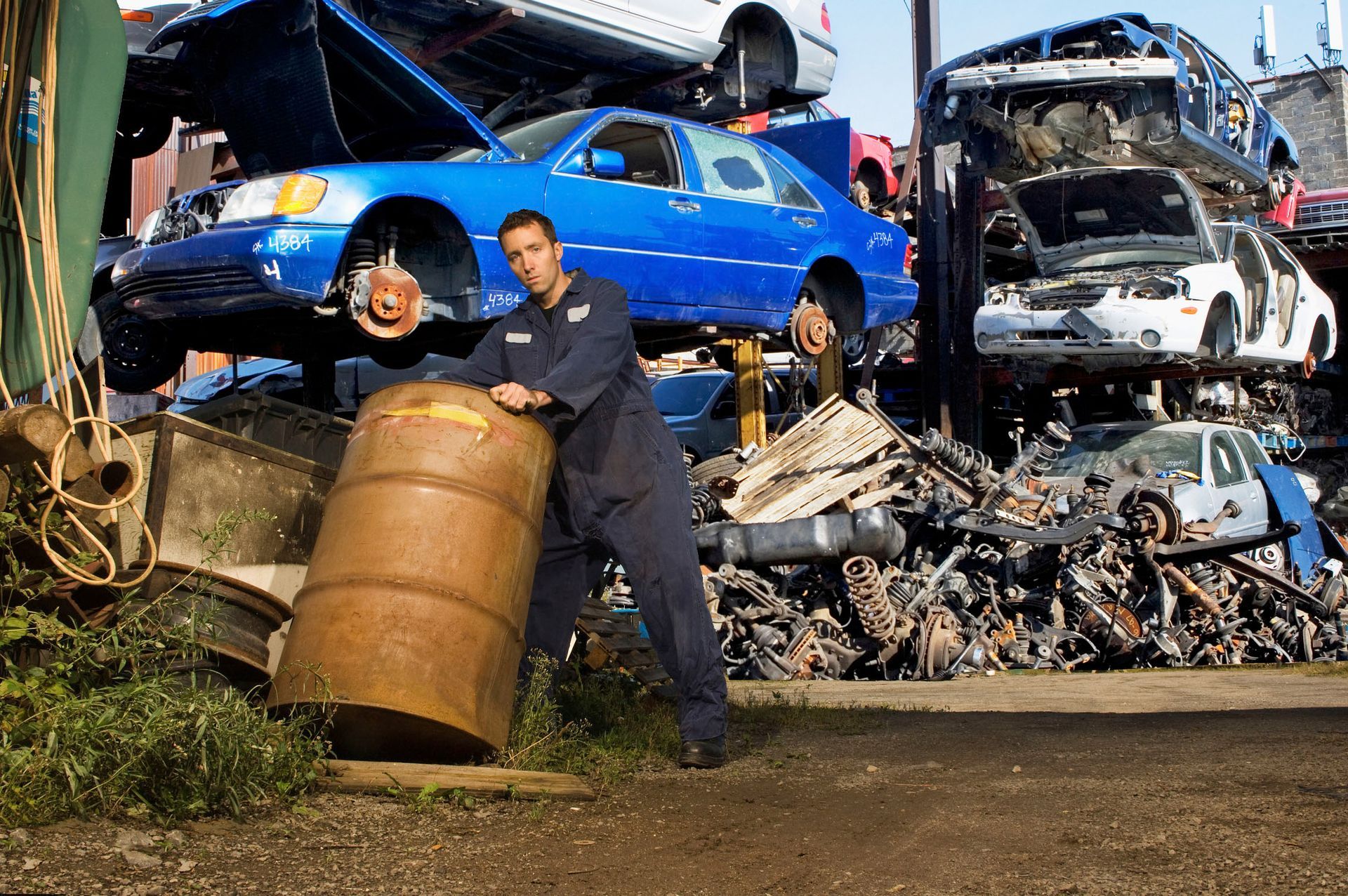
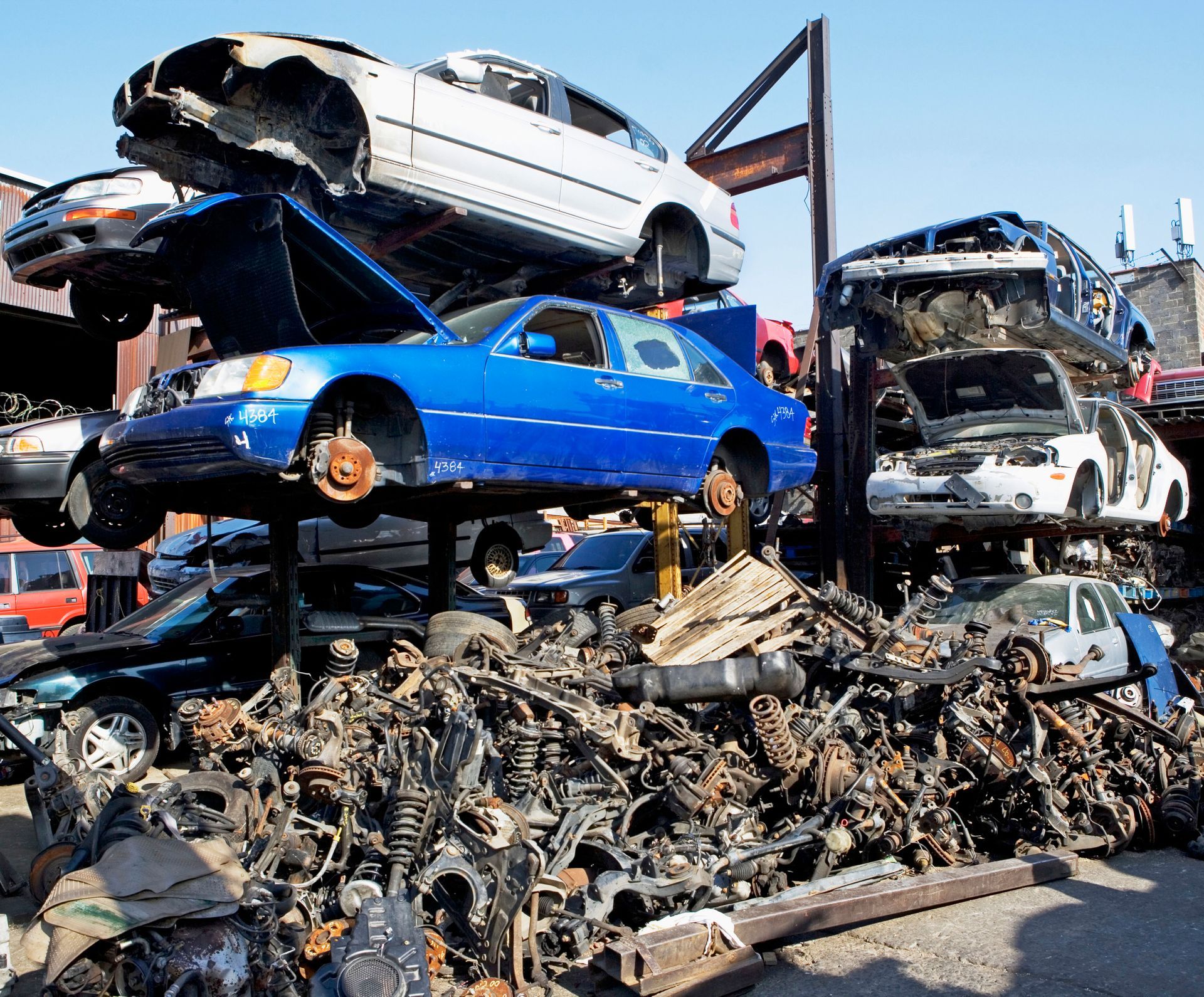
Discover the world of automotive recycling and how these sites serve as treasure troves for rare and valuable components. Local auto salvage yards are more than just graveyards for old and non-functional vehicles; they are vibrant ecosystems teeming with the potential for discovery and restoration. Whether it is the thrill of the hunt, the opportunity for profit, or the sustainability aspects of this practice, these environments offer a unique allure. This article explores various facets of the industry, from historical significance to practical techniques for navigating the rows of decommissioned cars.
Understanding the Historical Appeal of Automotive Recycling
Decommissioned vehicle lots have evolved significantly since the dawn of the automotive era. In the early days, these yards were informal and often disorganized setups run by individual collectors or smaller businesses. With the increase in automobile production and ownership, the need for organized recycling of vehicle parts became apparent. Local auto salvage yards have become more sophisticated, adopting digital inventory systems and environmentally conscious practices. Today, they function as organized businesses that play a key role in recycling and waste management within the automotive industry.
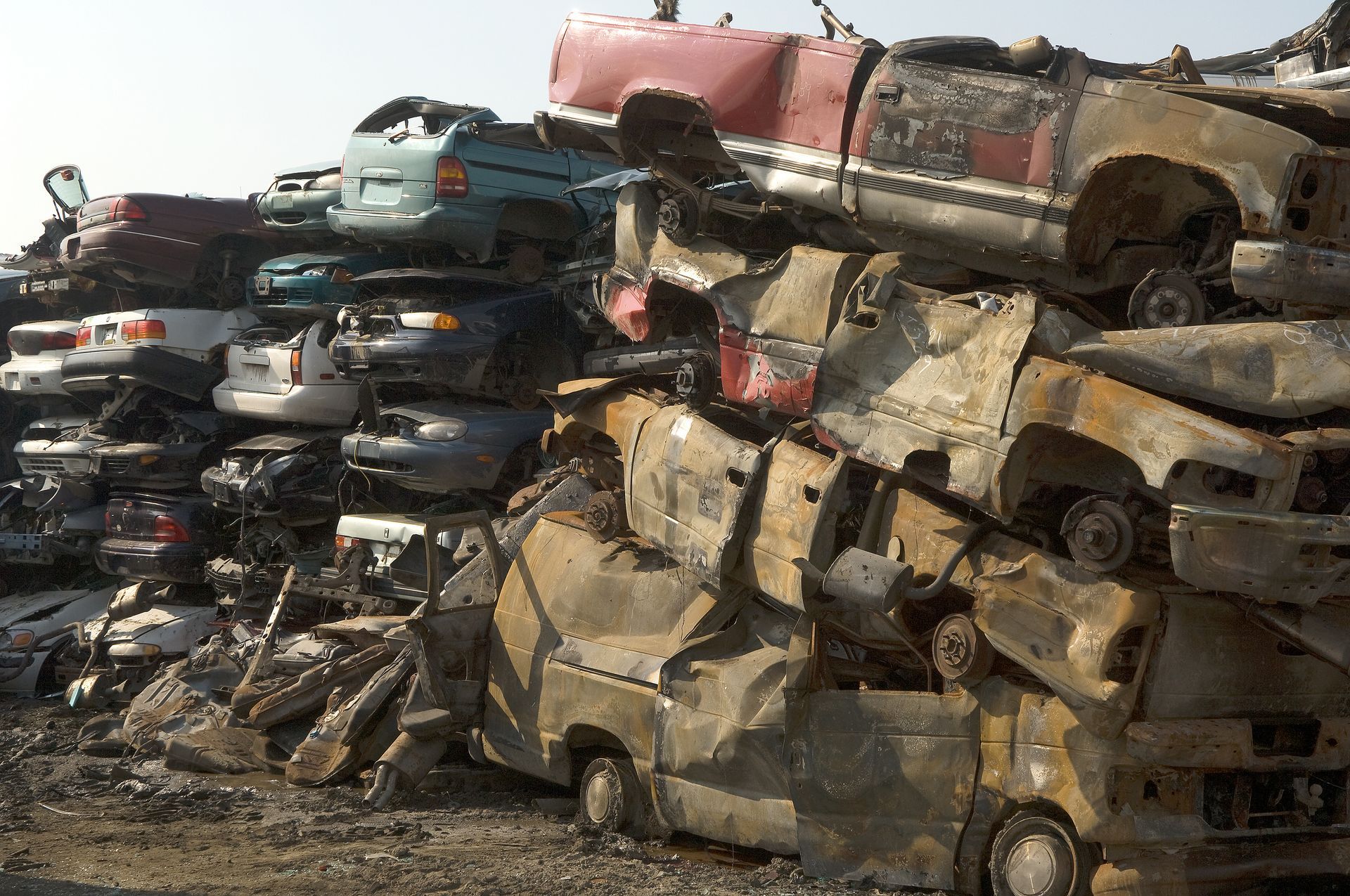
The transition from chaotic scrapyards to efficient recycling centers has been driven by both economic and environmental factors. Modern facilities now offer extensive databases that help enthusiasts and businesses locate specific parts quickly. This evolution reflects the broader trends in waste management, emphasizing reuse and recycling over disposal. According to statistics provided by United Tires, over 12 million vehicles are recycled annually in the U.S., showcasing the significant impact of these practices. These changes have not only made these yards more appealing to car enthusiasts but have also established them as vital players in sustainable automotive practices.
Recycling in Automotive History
Salvage yards have been pivotal in preserving automotive history and enabling a sustainable approach to car ownership. Throughout the 20th century, they served as essential hubs for procuring discontinued parts, keeping older models on the road. This accessibility extends the life cycle of many vehicles, reflecting a sustainable approach to resource utilization in the automotive industry. The preservation of automotive heritage is inherently tied to the reusability of parts, offering a tangible link to the past for both car owners and restorers. The existence of local auto salvage yards creates a diverse range of automobile innovations from different eras remains accessible to people today.
By acting as custodians of diverse automotive heritage, these yards help maintain a continuum of technological and cultural narratives. Each part retrieved carries with it a unique story, often contributing to the successful restoration of historic vehicles. As the automotive world progresses towards newer technologies, the relevance of maintaining and resurrecting older models becomes increasingly significant. This underscores the multipurpose role of salvage facilities, which not only serve environmental and economic needs but also represent an essential component of automotive history.
Learning Cultural Significance and Urban Legends
Beyond their practical utility, these sites have cultural significance that resonates deeply with enthusiasts and local communities. Many of these sites hold legendary status in automotive circles, often accompanying tales of phenomenal discoveries or ghostly presences among the rusted ruins. These stories are reflective of the unique value these yards hold as cultural touchstones. The idea that one might uncover a classic car or an elusive part contributes to the mystique that surrounds local auto salvage yards. These tales are emblematic of a broader cultural perspective that embraces both the tangible and intangible aspects of vehicle restoration.
Specific legends about rare finds, like the proverbial "barn find"—a rare vehicle forgotten in storage—enhance the allure of these sites. Enthusiasts often visit with dreams of uncovering storied vehicles, adding to an atmosphere of adventure and possibility. This communal folklore perpetuates the integration of salvage yards into cultural narratives that intersect with personal as well as collective histories. These spaces blend history and myth, creating rich tapestries of cultural intrigue for those enthralled by this unique hobby.
Viewing the Modern-Day Enthusiast's Perspective
In the digital age, the perspective of modern-day enthusiasts has evolved to incorporate new technologies and methodologies. Online platforms have made it easier than ever to search for and locate specific parts, even from geographically distant yards. This connectivity enhances the hunt for rare finds, effectively broadening access and possibilities for enthusiasts. Digital tools help streamline the searching process, minimizing time and effort while maximizing the likelihood of valuable discoveries. Even in an era dominated by technological advancement, local auto salvage yards remain relevant and attractive to those interested in car restoration.
Embracing Authenticity and Community
The increased accessibility afforded by these digital advancements has resulted in a resurgence of interest in restoration and customization. Automotive communities, driven by a nostalgic appreciation for older models, are deeply vested in the heritage and character that salvaged parts provide. Many enthusiasts appreciate not only the economic advantages of reclaimed parts but also the authenticity they bring to restoration projects. In tandem with digital platforms, these communities support the development and dissemination of knowledge, further contributing to the allure of the yard.
Identifying Valuable Finds
Understanding and identifying valuable finds in local auto salvage yards hinges greatly on research and expertise. Knowledge of specific parts, their historical significance, and their potential applications is a keystone of successful treasure hunting. Enthusiasts develop this expertise over time, informed by technical manuals, community knowledge, and personal experience. Accurate identification is crucial, providing that rare finds are genuine and appropriate for their intended restoration or resale purposes. The strategic use of research and accumulated knowledge ultimately defines the success and satisfaction derived from exploring.
Spotting Rare Models and Limited Editions
Salvage facilities are repositories of history, housing rare models and limited editions that captivate restorers and collectors alike. Identifying these treasures requires a keen understanding of automotive heritage and the nuances of design and production runs. Models that were produced in limited numbers or those with unique features like custom finishes or specific technological advancements frequently command high interest. Such finds can significantly impact both restoration projects and resale values, often proving to be the centerpiece of collection endeavors.
Utilizing Proper Tools and Resources
Armed with the right equipment and resources, treasure hunters can maximize their effectiveness in navigating and evaluating found parts. Basic tools like wrenches, screwdrivers, and sockets are indispensable for extracting valuable parts from vehicles. In addition to physical tools, digital resources like online databases and communication forums enhance decision-making. Portable devices such as smartphones or tablets facilitate instant access to vast banks of information, aiding quick validation of part details. Effective use of these tools allows treasure hunters to swiftly assess, negotiate, and secure desirable automotive finds.
Navigating the Challenges of the Yard
Despite their enduring appeal, these facilities face numerous challenges in today's regulatory and environmental landscape. Increasingly stringent regulations require yards to adhere to standards that manage environmental impact and safety measures. Compliance involves not just proper disposal and recycling of waste but also the mitigation of contamination risks associated with automotive fluids and materials. Navigating these regulatory frameworks is an operational challenge that yards must continually address to maintain their viability in the market.
Overcoming Operational and Financial Pressures
The intricate dance between operating successfully and maintaining environmental integrity necessitates ongoing adaptability. Innovations in waste management and inventory control help operators meet regulatory requirements, but these solutions require investment. Financial pressures compound operational challenges, as the economic models that sustain many yards rely on fluctuating market conditions and consumer trends. Facilities must adopt creative strategies to simultaneously address ecological concerns and profitability. In doing so, this sector continues to play an important role in the recycling ecosystem.
The world of automotive recycling is a fascinating blend of history, sustainability, and the thrill of discovery. From the evolution of organized recycling to the cultural legends that surround these sites, it is clear that these environments are vital to the U.S. automotive landscape. By utilizing research, proper tools, and networking with fellow enthusiasts, you can unlock the incredible potential hidden within these rows of steel.
Whether you are looking for a rare vintage component or a cost-effective replacement part, the right yard makes all the difference. For those seeking reliable parts and a professional experience, visit Chesney Auto Salvage to see what treasures await in our local auto salvage yards.