February 23, 2026
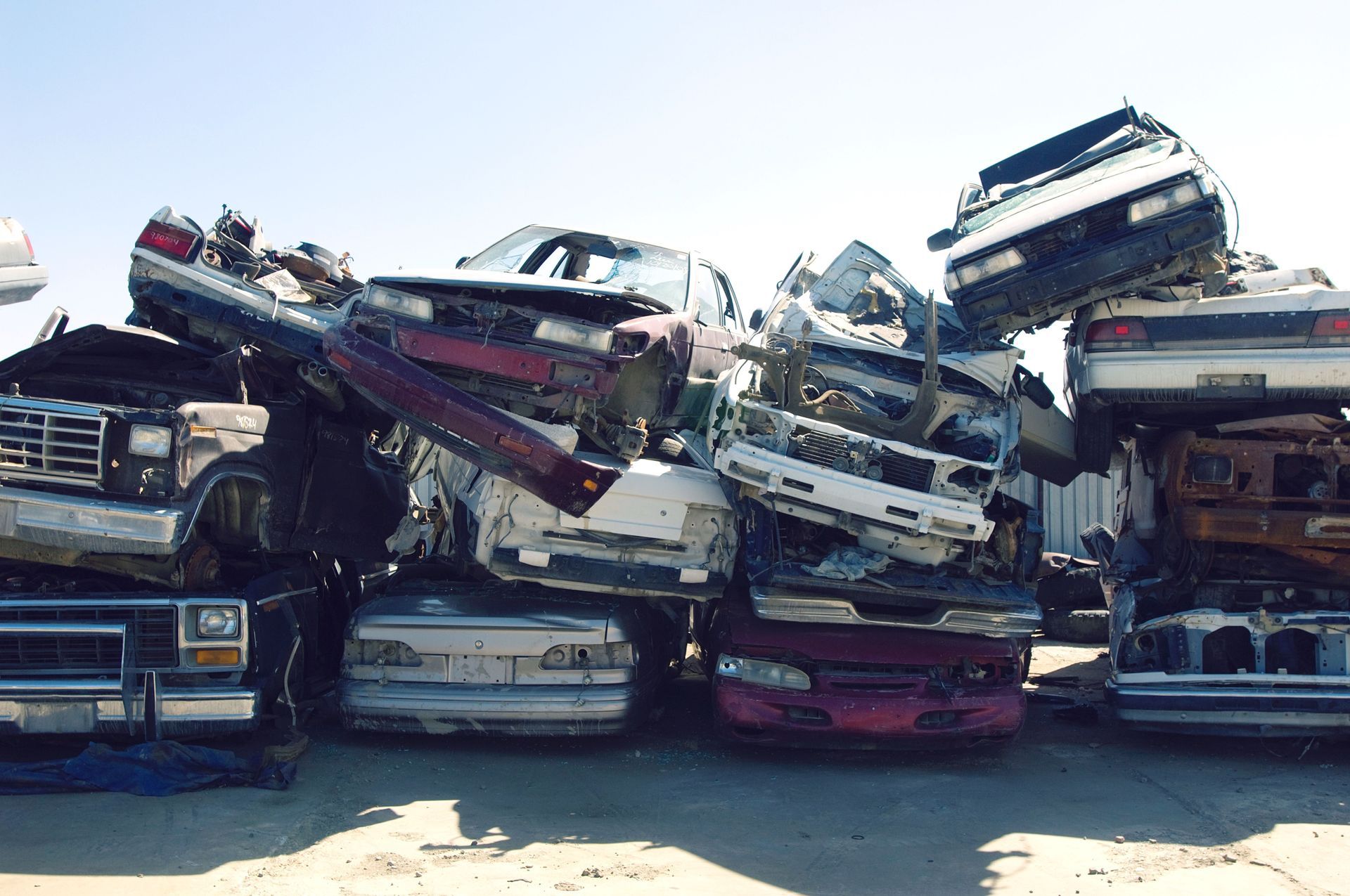
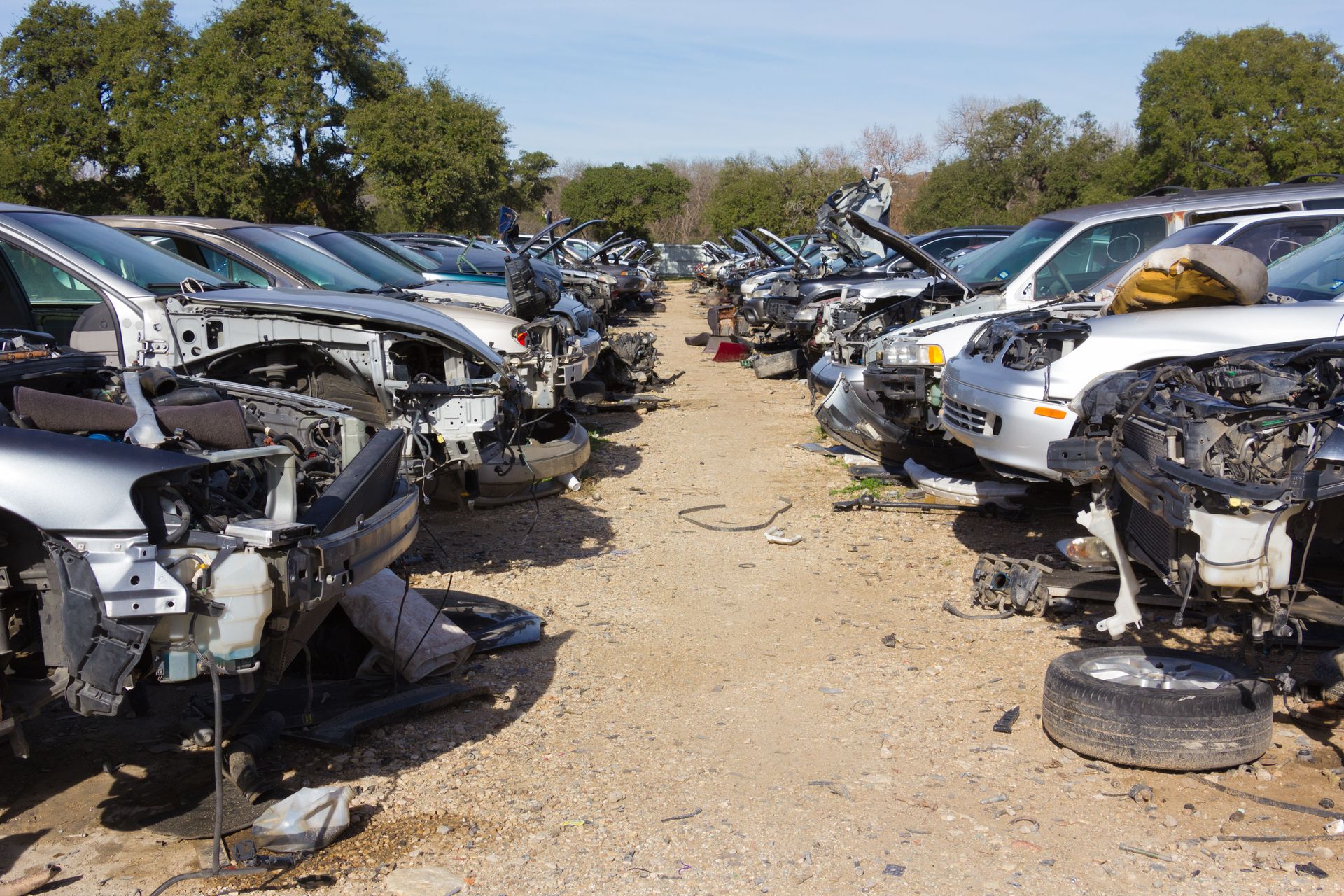
We explore how auto salvage yards can be a valuable resource for car owners seeking affordable automotive parts. By utilizing salvage yards, customers can save money, protect the environment, and support local businesses. Let's delve into the many ways an auto salvage yard can help you get the parts you need without breaking the bank. Auto salvage yards are an untapped goldmine for those looking to maintain their vehicles cost-effectively. Not only do they offer savings, but they also provide a platform for sustainable practices and community support.
1. Access to Affordable Parts
Auto salvage yards offer parts at a fraction of the cost of new components found in traditional retail outlets. The financial advantage lies in the ability to access used parts that are often still in excellent working condition. Salvage yards obtain parts from vehicles that may have sustained exterior damage but still have working internal components. By turning to salvage yards, car owners bypass the significant markup associated with brand-new parts. This price difference can mean substantial savings, helping car owners keep up with their maintenance budget.
Another appealing aspect of salvage yards is the ability to negotiate prices. Unlike traditional retail stores, where prices are fixed, salvage yards often allow for negotiations, granting buyers the opportunity to acquire parts at prices they find reasonable. This flexibility can be particularly beneficial for individuals looking for parts for older or less common vehicles. Negotiations can also promote a more personalized purchasing experience, building a relationship between buyers and yard operators. It's a dynamic that not only promotes cost savings but also a sense of community and trust.
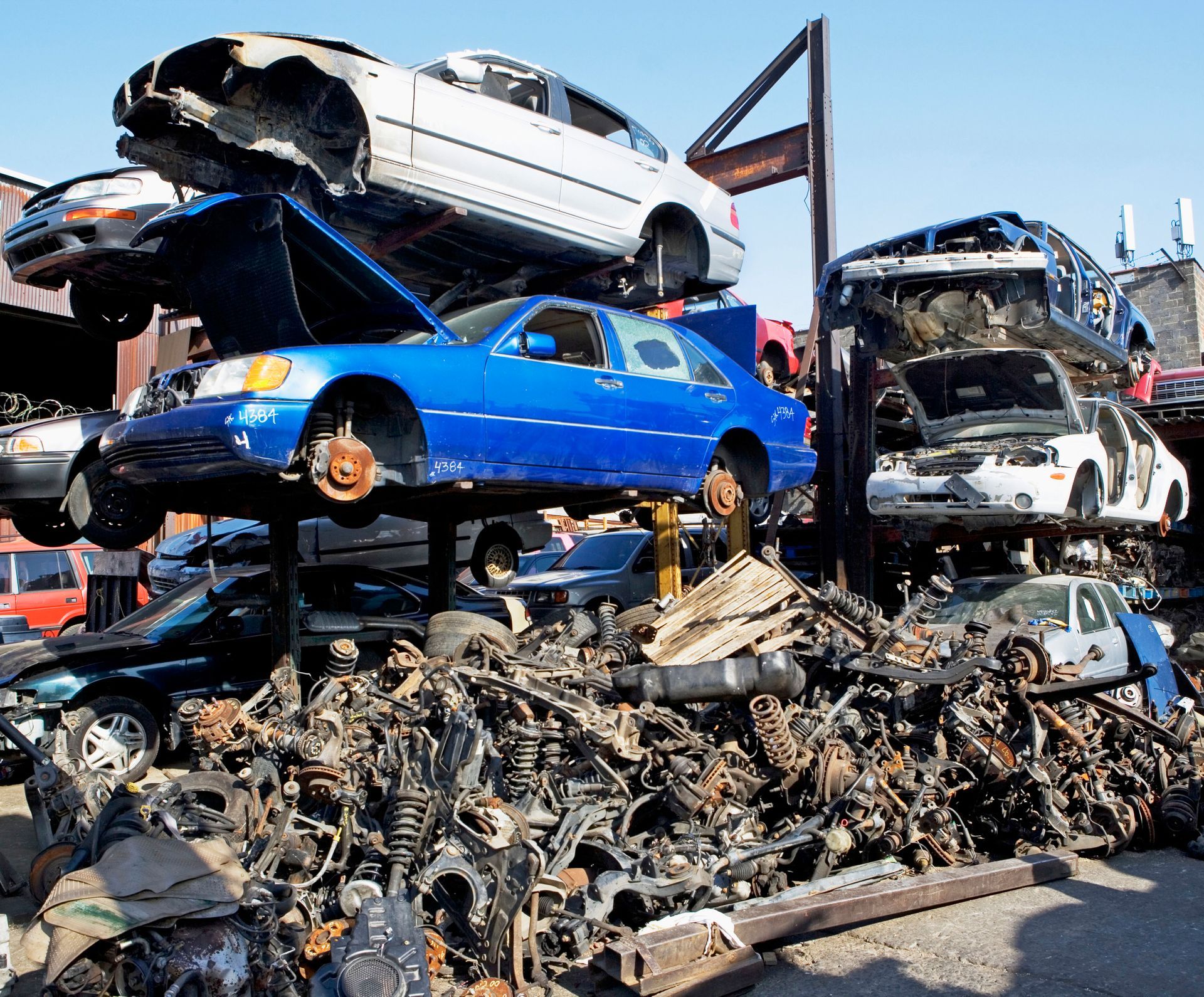
Salvage yards are home to a wide variety of parts, offering options unavailable in traditional markets. From engines and transmissions to smaller, harder-to-find components, the variety can cater to a range of automotive needs. Bundling parts can lead to further savings, often securing a better price for combined purchases. This variety allows vehicle owners to address multiple needs in one visit, multiplying the benefits of their trip. Additionally, buying in bundles can be a strategic approach for those undertaking extensive repair or restoration projects.
2. Eco-Friendly Recycling Practices
The environmental impact of auto salvage yards is profound, as they play a pivotal role in recycling automotive parts. According to the Automotive Recyclers Association, approximately 86 percent of a vehicle's material content is recycled, reused, or used for energy recovery. This high level of recycling significantly reduces waste and helps conserve natural resources. By utilizing recycled parts, fewer raw materials are required for manufacturing new auto parts. This not only preserves valuable resources but also minimizes the environmental footprint associated with automotive production.
Salvage yards help in reducing automotive waste significantly. Without these facilities, many parts would end up in landfills, contributing to environmental degradation. By salvaging and reusing parts, these yards prevent a substantial amount of waste from reaching the landfills. Additionally, the energy needed to manufacture new parts is decreased because many components are reused rather than produced from scratch. This energy conservation lends further support to sustainable practices, highlighting the environmental importance of salvage yards.
Promoting a circular economy is another essential role of salvage yards. They facilitate the continuous reuse of materials, a concept central to the circular economy model. Parts are given new life, reducing the need for new production and the consumption of resources associated with it. This practice contributes to the global interest in sustainable economic practices and responsible resource management. Salvage yards thus stand as a testament to the possibility of marrying economic needs with ecological responsibility.
3. Availability of Rare and Out-of-Production Parts
For collectors and enthusiasts, salvage yards are a treasure trove of rare and vintage automotive parts. When car models go out of production, finding replacement parts through traditional means can become a significant challenge. Salvage yards bridge this gap by offering components that would otherwise be impossible to source. This access allows owners of older or classic cars to maintain their vehicles without undue stress. By providing these rare parts, salvage yards play a crucial role in keeping vintage vehicles on the road.
Access to out-of-production models is another significant advantage of salvage yards. Cars that have long since been discontinued often find a second life through the parts harvested by salvage operations. This availability is invaluable for car owners who wish to keep their vintage or classic models in working order. The ability to replace failing parts with authentic, period-correct components maintains the vehicle's originality and value. Consequently, salvage yards not only help prolong the life of older vehicles but also contribute to the preservation of automotive history.
Car restoration projects frequently rely on the availability of parts from salvage yards. Those with a passion for restoring vehicles find these resources essential, as they provide components that retain the authenticity of the car's original design. Projects that might have otherwise stalled due to part scarcity can continue, allowing restorers to complete their visions. Moreover, the unique or custom parts discovered in salvage yards offer additional opportunities for personalization and innovation. Thus, salvage yards foster creativity and dedication within the restoration community.
4. Opportunities for DIY Enthusiasts
Salvage yards provide a hands-on learning experience for DIY enthusiasts. By directly engaging in the extraction and inspection of parts, individuals can gain practical understanding and skill. This experiential learning approach is invaluable for those seeking to hone their automotive repair abilities. Salvage yards serve as real-world classrooms, where enthusiasts can practically apply theoretical knowledge. As a result, salvaging not only enables cost savings but also empowers individuals through knowledge acquisition and self-reliance.
Many salvage yards extend their offerings beyond parts, providing resources to support DIY repair endeavors. These resources may include manuals, guides, and on-site assistance to help navigate complex repairs. By offering such support, salvage yards create accessible environments for DIY repairs, fostering independence and reduced reliance on professional mechanics. The accessibility of these resources encourages individuals of all skill levels to confidently approach automotive repairs. Through such initiatives, salvage yards cultivate a strong DIY culture that prioritizes education and resourcefulness.
Cost savings are further bolstered by the self-service model offered by many salvage yards. Extracting parts oneself reduces the overhead costs that would otherwise contribute to marked-up prices. By eliminating labor fees, car owners can finance repairs at prices that reflect only the cost of the part itself. This approach is particularly appealing to budget-conscious drivers and those with the mechanical know-how to handle their own repairs. Ultimately, self-service models strengthen the appeal of salvage yards as economical alternatives to mainstream auto parts stores.
5. Supporting Local Economies
Auto salvage yards play an essential role in supporting local economies by creating jobs and encouraging economic activity. Each yard typically requires a team of employees to manage operations, dismantle vehicles, assist customers, and handle sales transactions. This job creation contributes to reducing unemployment and increasing local income levels. Additionally, employees may develop specialized skills in automotive repair and recycling, enhancing their employability within the sector. Through providing employment, salvage yards stimulate local economic growth and community stability.
Community engagement and growth often accompany the presence of salvage yards. These businesses act as local hubs where residents can meet, exchange knowledge, and sustain valuable interactions. With their community-oriented approach, salvage yards also contribute to the growth of related industries, such as mechanical repair shops and vehicle restoration services. By fostering connections between various automotive-related businesses, salvage yards promote cooperative economic systems within local areas. This interconnectedness benefits everyone involved by facilitating shared goals and coordinated development efforts.
An auto salvage yard presents an indispensable opportunity for vehicle owners to save money on auto parts while also supporting environmentally friendly practices and local economies. By considering the many ways discussed above, individuals can make informed choices that benefit their wallets and the planet. Whether one seeks financial savings, supports sustainability, or engages in community growth, salvage yards offer an effective solution. The parts and practices they provide contribute to long-term economic and environmental resilience. Embracing salvage yards is thus a strategic decision that aligns personal needs with broader societal benefits. For more information about the services that we offer, reach out to our incredible team at Chesney Auto Salvage today!